By Lexus Morgan
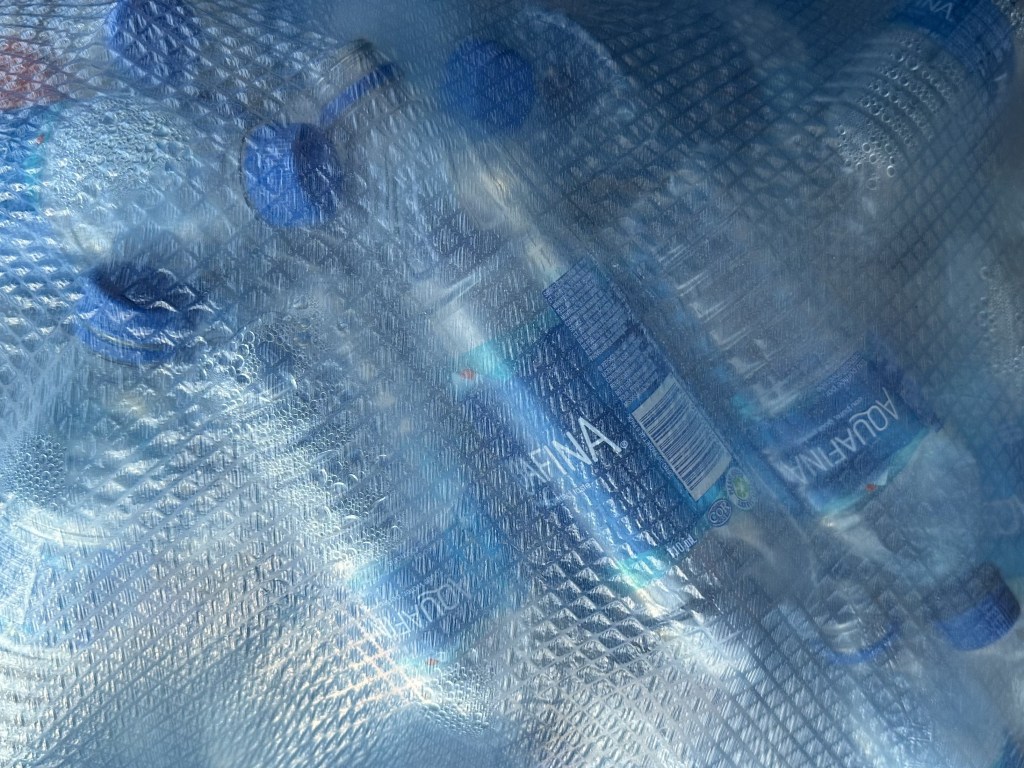
Plastic waste—specifically cigarettes and cigarette filters—overtake the title for the most littered item each year, followed by other plastic pieces and an alternating third offender across Canadian shorelines.
According to a 2023 publication, Statistics Canada said, “Canadians throw away over 3 million tonnes of plastic waste every year,”—comparable in weight to 25,000 blue whales. “Only 9% is recycled,” meaning roughly 2.7 million tonnes of plastic waste are in our landfills. In 2019, Plastics Program Manager Vito Buonsante noted around 30 per cent of waste, specifically plastic waste, is shipped overseas to Malaysia and is labelled as recyclables but actually contains contaminated plastics.
The plastic epidemic is beyond a pollution problem. Single-use plastics play a key role in harming wildlife and ecosystems via our waterways. Marine life can become entangled and ingest the plastic waste. These plastic particles even break down into microplastics, which are more challenging to recover along the shoreline and are found in people. People consume these minute particles through food and water, later to be discovered in human blood and breast milk.
In a Guardian article, environment editor Damian Carrington said, “Huge amounts of plastic waste are dumped in the environment, and microplastics have polluted the entire planet, from the summit of Mount Everest to the deepest oceans.” Unironically, plastics are unintentionally reused as food for fish and go up the food chain. Carrington quotes Professor Matthew Campen at the University of New Mexico, who said, “The growing concentration of microplastics in human tissue could explain puzzling increases in some health problems, including inflammatory bowel disease (IBD), colon cancer in people under 50, and declining sperm counts.”
Despite the widespread information on the plastic crisis, the impact is drowning beneath the conversation at large. “I do think people are aware of it, but it’s challenging as a consumer to solve the issue, so people rationalize their decisions. The better way would be to focus on policies like banning plastic bags instead of putting the responsibility on individuals,” said Nick Vukorepa.
“That makes me feel so uneasy. I didn’t know microplastics were a thing before a few years ago. Something inorganic in my body,” said Vickram Gill. The impact of plastic pollution is discussed and accessible, but still not reaching Canadians, perhaps further perpetuating cycle of plastic pollution.
Measures to eliminate plastic waste were taken in 2018; the Canadian government introduced two phases of a Canada-wide strategy to eliminate plastic waste. One of the five points in phase two focuses on: “improv[ing] consumer, business, and institutional awareness to prevent and manage plastic waste responsibly.”
Still, the issue remains more considerable than the consumer. “Most Western countries are run with capitalistic mindsets. Capitalists want to cut costs and make money, saving the world is not what they care about. All I can do is continue recycling, really and be conscious of that. But it’s more global and I don’t see our governments caring,” said Eman Mohamed.
The Great Canadian Shoreline Cleanup (GCSC) volunteers take on a vital role in reducing plastic pollution with annual cleanups. This event identifies the 12 highest offenders found across the country. The citizen science data shares the collected findings with the Government of Canada. This information has been used to ban harmful single-use plastics.
Two thousand twenty-one regulations proposed to ban the manufacturing, importing, and sale of six single-use items: plastic checkout bags, cutlery, food service ware (made from or containing problematic plastics), ring carriers, stir sticks, and straws. This came into effect as of December 2022; by 2025, a full ban on sale and export is intended to achieve zero plastic waste by 2030.
Banning single-use plastics is a step forward in reducing the harmful plastics commonly found on Canadian shorelines (microplastics) in human bodies and marine life. This ban sets up the movement toward a circular economy for plastics, reducing carbon emissions and will result in the elimination of over 1.3 million tonnes of hard-to-recycle plastic and more than 22,000 tonnes of plastic pollution. This trajectory is aimed to succeed over the next decade.
 Story
Story 
Leave a comment